Global PET Cup Market Trends in 2025
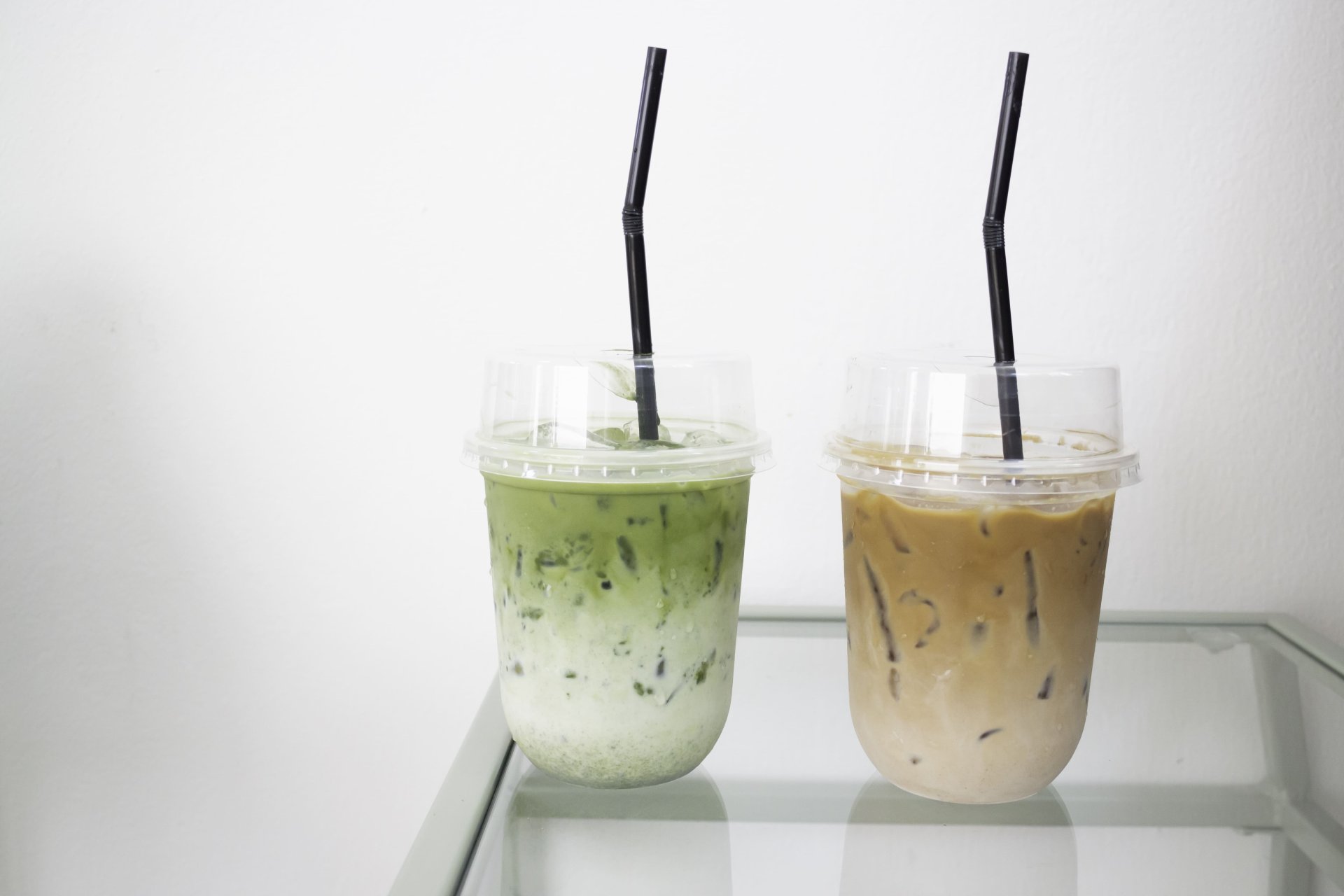
In global consumer perceptive, packaging is no longer just about containment; it’s about convenience, branding, sustainability, and safety. Within this context, PET cups (Polyethylene Terephthalate cups) have risen to prominence as one of the most widely used forms of packaging for beverages, desserts, and ready-to-drink products. Their combination of lightweight durability, crystal-clear appearance, and recyclability makes them an ideal choice for businesses ranging from cafés and restaurants to global retail chains.
As we enter 2025, the spotlight on PET cups is growing brighter. Rising consumer expectations, government regulations, and sustainability goals are driving companies to reimagine how they package and deliver their products. The phrase “ PET cup trends ” is now more than just a market watch, but it is a signals of how industries worldwide are adapting to consumer lifestyles and environmental challenges.
Thereofre, this blog will drive you through the global PET cup market trends in 2025, analyzing…
2025 Market Overview of PET Cup
The PET cup industry has seen steady growth over the past decade, but 2025 marks a tipping point. According to Research and Markets (2025), the global PET cups market was valued at $0.99 billion in 2024 and is expected to reach $1.06 billion in 2025, representing a compound annual growth rate (CAGR) of about 7.5%. Looking further ahead, the market is forecasted to reach $1.4 billion by 2029 at a CAGR of around 7.1%.
So, what is driving this expansion?
- Rise of the food delivery economy
Online food delivery has exploded worldwide. In 2025, the global online food delivery market is projected to surpass $500 billion, fueled by apps like Uber Eats, DoorDash, GrabFood, and Foodpanda. Moreover, drinks and beverage, particularly cold beverages like bubble tea, iced coffee, and smoothies, are among the most popular delivery items. In these 2 industries, PET cups play a vital role in this ecosystem because they are lightweight, leak-resistant, and durable, ensuring beverages arrive safely without spillage. Their crystal-clear transparency also makes them visually appealing in social media posts, which further amplifies demand. For food delivery operators, PET cups are not just packaging, they are a guarantee of quality from café to customer’s doorstep. - Consumer demand for transparency
Today’s consumers want to see what they’re buying. According to the survey by Robinson (2024) show that more than 70% of consumers trust a product more when its contents are visible through packaging. PET cups, with their superior clarity compared to PP or paper cups, allow vibrant drinks to shine whether it’s the gradient layers of a cold brew or the pearls in a bubble tea. This visual transparency doesn’t just build trust in freshness and hygiene, it also enhances customer experience, for example, in an Instagram-driven culture, a visually attractive drink in a clear PET cup becomes a shareable moment, turning packaging into a powerful marketing tool. - Shift away from less sustainable materials
Governments around the world are phasing out non-recyclable plastics. For instance, the EU Single-Use Plastics Directive bans several types of disposable plastics, while states like California and New York in the U.S. have already banned Styrofoam cups.
PET cups offer a practical alternative since they are widely accepted by recycling facilities and can be repurposed into new products such as textiles, packaging, or even new PET bottles. As businesses seek compliance and consumers demand eco-friendly solutions, PET has become the bridge between convenience and sustainability. This transition is one of the most important PET cup market trends shaping the market in 2025. - Global food and beverage industry growth
The food and beverage industry continues to expand, particularly in emerging markets. In 2025, the global coffee café and bar market is projected to exceed $760 billion, while the bubble tea industry alone is forecast to grow beyond $9 billion. Quick-service restaurants (QSRs), which rely heavily on takeaway packaging, are also booming worldwide. PET cups are integral to this growth because they meet the industry’s demand for cost-effectiveness, hygiene, and recyclability.
In Asia-Pacific, where café culture and bubble tea trends are especially strong, PET cups are fast becoming the standard, accounting for a significant share of disposable cup consumption.
Key PET Cup Trends Shaping 2025
The market is not just expanding; it is evolving. Companies are adopting innovative designs, sustainability practices, and consumer-focused strategies to stay ahead.
Here are the five most significant PET cup market trends defining 2025;
a. Lightweight and Efficient Design
One of the biggest shifts is toward lightweight PET cups. Manufacturers are reducing material usage while maintaining durability and clarity. This approach lowers production costs, decreases shipping weight, and ultimately reduces the carbon footprint of the supply chain. For businesses, lightweight cups mean lower expenses in logistics and compliance with eco-friendly practices.
b. Reclosable and Functional Versatility
Consumers are increasingly mobile, often enjoying beverages on the go. This has fueled demand for PET cups with reclosable, spill-resistant lids. Dome lids for bubble tea, strawless designs for iced coffee, and flat lids for smoothies are part of this trend. The functionality of PET cups is now about more than holding a drink—it’s about enhancing convenience and reducing spillage.
c. Customization and Branding
In a competitive food and beverage market, packaging doubles as a marketing tool. Branded PET cups with logos, messages, or creative designs help businesses stand out. Advances in printing technology, such as digital printing and eco-friendly inks, make customization more affordable and sustainable. In 2025, PET cup trends strongly emphasize personalization, as customers increasingly value memorable, Instagram-worthy experiences.
d. Enhanced Material Properties
Innovation in material science is reshaping PET packaging. According to research of Dalmeida and Albuquerque (2024), manufacturers are experimenting with antimicrobial coatings, oxygen barriers, and UV-protection features that extend product shelf life and ensure food safety. These enhancements appeal to both businesses and consumers who prioritize health and hygiene, especially in post-pandemic markets.
e. Smart & Sustainable Packaging
While still in early adoption, smart packaging is a rising trend. For example, QR codes printed on PET cups, it can link customers to promotions, sustainability reports, or recycling instructions. At the same time, sustainable design remains non-negotiable. PET cups that integrate into existing recycling systems, or even contain recycled PET (rPET), are becoming industry benchmarks.
Together, these PET cup trends highlight a future where packaging is smarter, lighter, safer, and more aligned with consumer and environmental values.
Conclusion: Why PET Cup Trends Matter Now and Beyond
The global PET cup market is not just growing, it is transforming. From a market value of $1.06 billion in 2025, projections indicate steady growth toward $1.4 billion by 2029, with continued expansion expected into the next decade. By 2030, PET cups are likely to dominate the beverage packaging segment, supported by stronger recycling infrastructures, stricter regulations on unsustainable plastics, and the continued rise of food delivery and café culture worldwide.
For businesses, this isn’t just a market shift it’s a call to action. Companies that proactively adapt to PET cup trends today will position themselves ahead of competitors tomorrow.
Here’s how:
- Prioritize sustainable sourcing by choosing suppliers that provide recyclable PET or even rPET (recycled PET) cups to align with both regulatory requirements and consumer values.
- Leverage customization as branding by investing in printed or branded PET cups that double as marketing tools. In the age of social media, a clear, branded cup can boost visibility organically.
- Stay regulatory-ready always monitor plastic bans and recycling mandates in your operating regions. PET is a safe, compliant choice that helps future-proof packaging strategies.
- Integrate sustainability goals by aligning PET cup adoption with ESG and SDG commitments (especially SDG 12: Responsible Consumption and Production, and SDG 13: Climate Action) to enhance brand reputation.
- Explore innovation early from lightweight designs to smart packaging with QR codes, businesses that test new formats first will gain a competitive edge.